
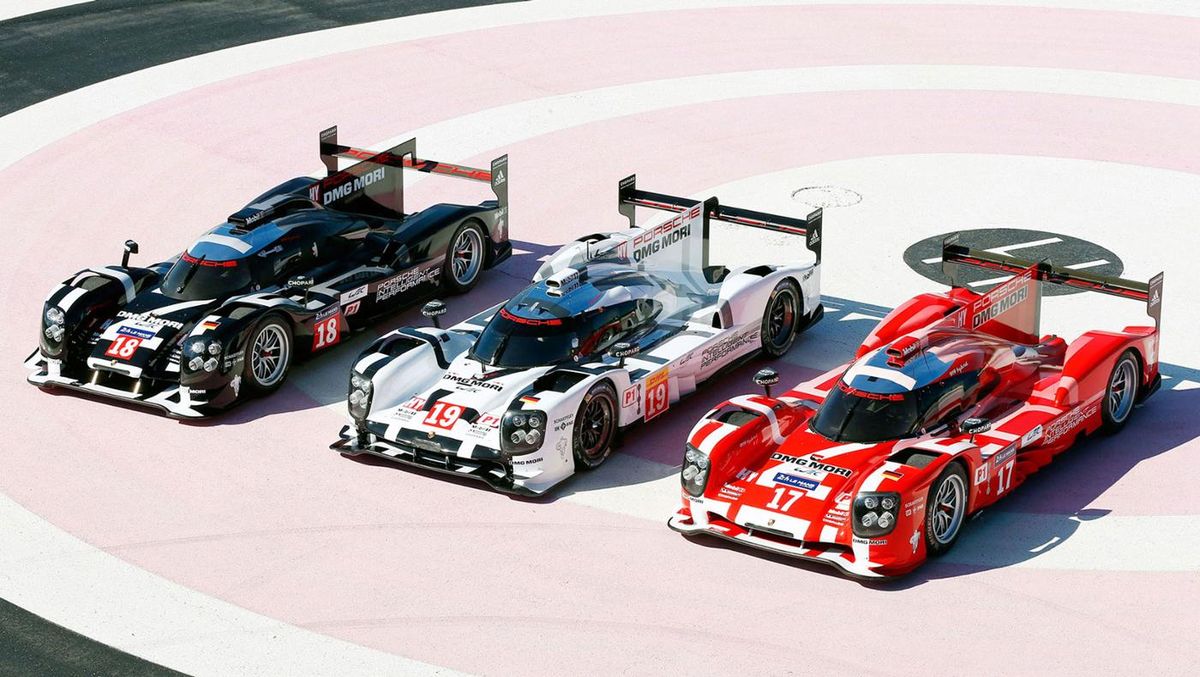
Tiger Corporation, the household name synonymous with vacuum-insulated bottles and rice cookers across Japan, has emerged as an unexpected player in the motorsports revolution. The company's century-old expertise in thermal management technology is now finding its way into high-performance automotive applications, promising to reshape how racing teams approach temperature control challenges. This cross-industry innovation represents a fascinating convergence of domestic appliance engineering and cutting-edge motorsports technology, demonstrating how traditional Japanese manufacturing prowess can transcend conventional boundaries to create breakthrough solutions in entirely different sectors.

The company's proprietary vacuum insulation technology, originally developed for keeping beverages hot or cold for extended periods, has proven remarkably adaptable to motorsports applications. Racing teams face constant battles with heat management, from engine cooling systems to driver comfort in sweltering cockpits. Tiger's thermal expertise offers novel approaches to these challenges, potentially providing competitive advantages through more efficient temperature regulation systems. The technology's proven durability in consumer products translates well to the demanding environment of professional racing, where reliability and performance consistency are paramount.
A SHORT HISTORY OF TIGER CORPS
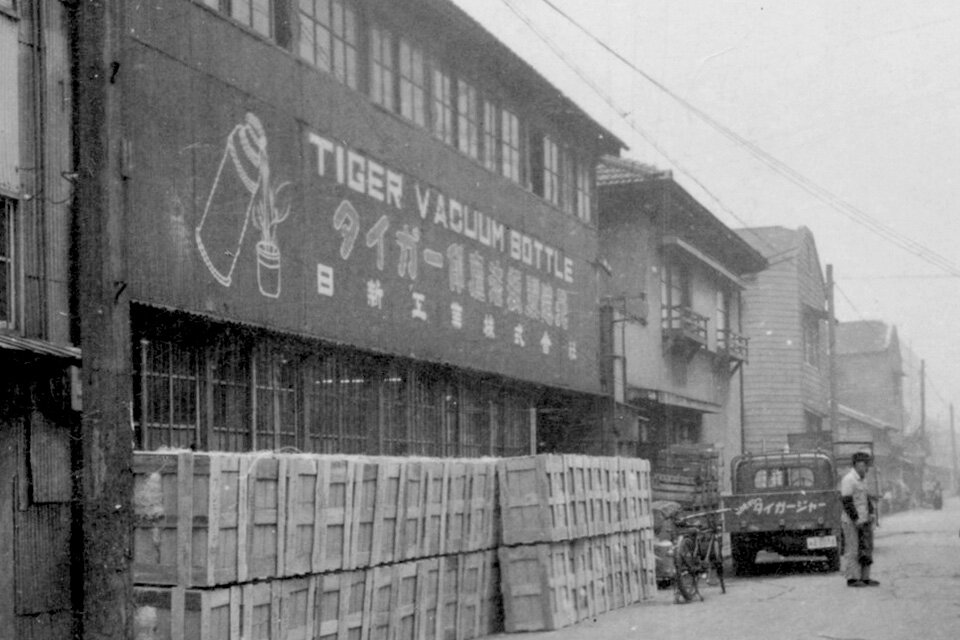
Picture this: a young apprentice named Takenori Kikuchi shivering through Osaka winters in 1910, choking down rice with cold tea and dreaming of something better. That's when fate struck! He discovered these incredible imported Thermos bottles at Itoki Shoten, and suddenly everything clicked - here was the solution to every cold winter morning he'd ever endured! Fast forward thirteen years of grinding experience at Eagle Vacuum Bottles, and on February 3, 1923, our determined hero launched "Torajirushi (Tiger) Vacuum Bottle Company" - the legendary birth of what would become Tiger Corporation! From that humble beginning, driven by one man's burning desire for hot tea on cold days, Tiger began crafting their iconic vacuum bottles that would conquer Japan. Talk about turning personal frustration into industrial revolution - this is the stuff of entrepreneurial legends!
Then disaster struck like something out of a legend! At exactly 11:58:44 a.m. on September 1, 1923, a catastrophic 7.9 magnitude earthquake absolutely devastated the Kanto region - the Great Kanto Earthquake that would go down as the most destructive seismic disaster in recorded history! Poor Takenori Kikuchi had barely gotten his Tokyo operations off the ground when Mother Nature decided to test his products in the most brutal way imaginable. But here's where the story gets absolutely incredible - while countless vacuum bottles from competing brands were obliterated by the quake's fury, every single one of Tiger's 100 bottles emerged completely unscathed! Not one crack, not one failure - pure perfection under pressure! Word of this miraculous survival spread like wildfire through the industry, and suddenly everyone in Tokyo was clamoring for Tiger bottles. The orders came pouring in from every corner of the devastated city! By 1926, this earthquake-proven durability had catapulted Tiger to an absolutely dominant 85% market share - talk about turning catastrophe into conquest!
In 1930, Takenori Kikuchi was incapacitated by illness. It was against this backdrop that he heard about the serious depression in Japan. Realizing that there was no longer any prospects for domestic sales, he decided to embark on exports to Taiwan and Manchuria. The approach he took to opening up new sales channels was extremely successful, and led to the Tiger brand becoming very well known. By 1932, sales in the Japanese mainland and sales in its overseas territories were almost exactly the same.
**A Wild Variety of Vacuum Bottles**
in 1931, the legendary "Five-fold Power Vacuum Bottle" launched in Tiger's early days, initially serving just hikers and travelers with low domestic demand. But Tiger wasn't stopping there! They unleashed an incredible lineup of specialized bottles - thermal baby bottles with teats, sake warmers for perfect temperature control, ice cream containers, and even specialized bottles for ayu fishing to keep fresh catches perfectly chilled. Talk about innovation in every direction!
n 1943, Tiger was absorbed into Nippon Vacuum Bottle Control Co., Ltd. due to wartime legal requirements put into place the year before. As a result, we were forced to close our offices and provide our company building to be used by this new company. Making matters worse, this building was destroyed by fire during an air raid in Osaka in 1945.
1950 brought crushing challenges for our founder Takenori Kikuchi! Post-war Japan didn't need vacuum bottles - they needed survival basics! Without materials for bottles, he brilliantly pivoted in Imazato, Osaka, manufacturing buckets, wash basins, frying pans, and charcoal carriers. Sales boomed since households desperately lacked these war-depleted essentials!
By 1947, Tiger finally resumed vacuum bottle production as overseas trade restarted. Exports exploded from 50,000 bottles to 1 million the next year! But then disaster struck - the American Dodge Line policy flooded Japan with cheap ¥100 imported bottles, crushing Takenori's ¥120 bottles. He reluctantly returned to household items just as the Korean War sparked Japan's economic boom.
Here's where genius struck! While others chased domestic recovery, visionary Takenori focused on Taiwan exports, leveraging his prewar connections. This brilliant strategic pivot proved absolutely successful!
Development teams at Tiger have been working closely with motorsports engineers to adapt their thermal management solutions for automotive use. The collaboration has yielded promising prototypes that leverage the company's deep understanding of heat transfer, insulation materials, and vacuum technology. These innovations could address long-standing issues in motorsports, from maintaining optimal fluid temperatures in high-stress racing conditions to creating more effective thermal barriers for driver protection. The cross-pollination of ideas between household appliance designers and racing engineers has opened unexpected avenues for technological advancement.
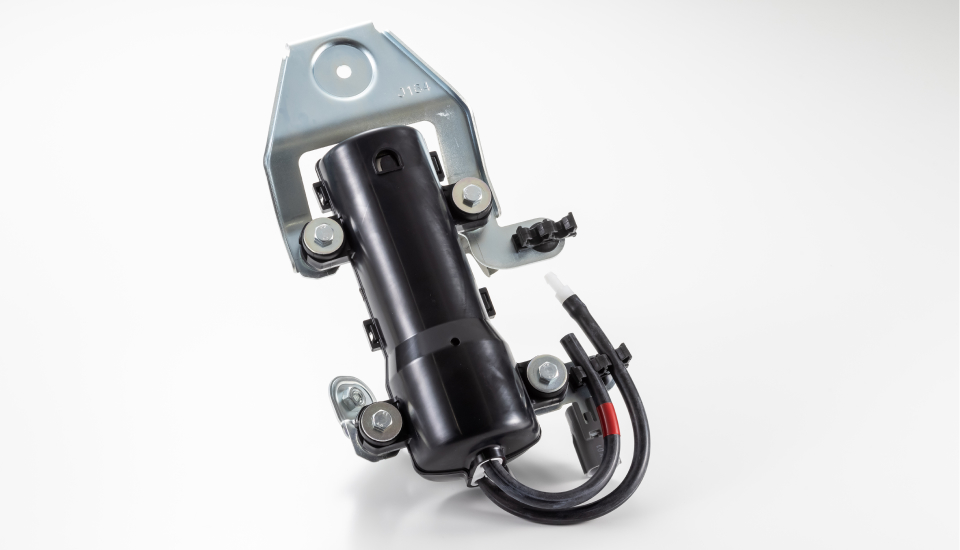
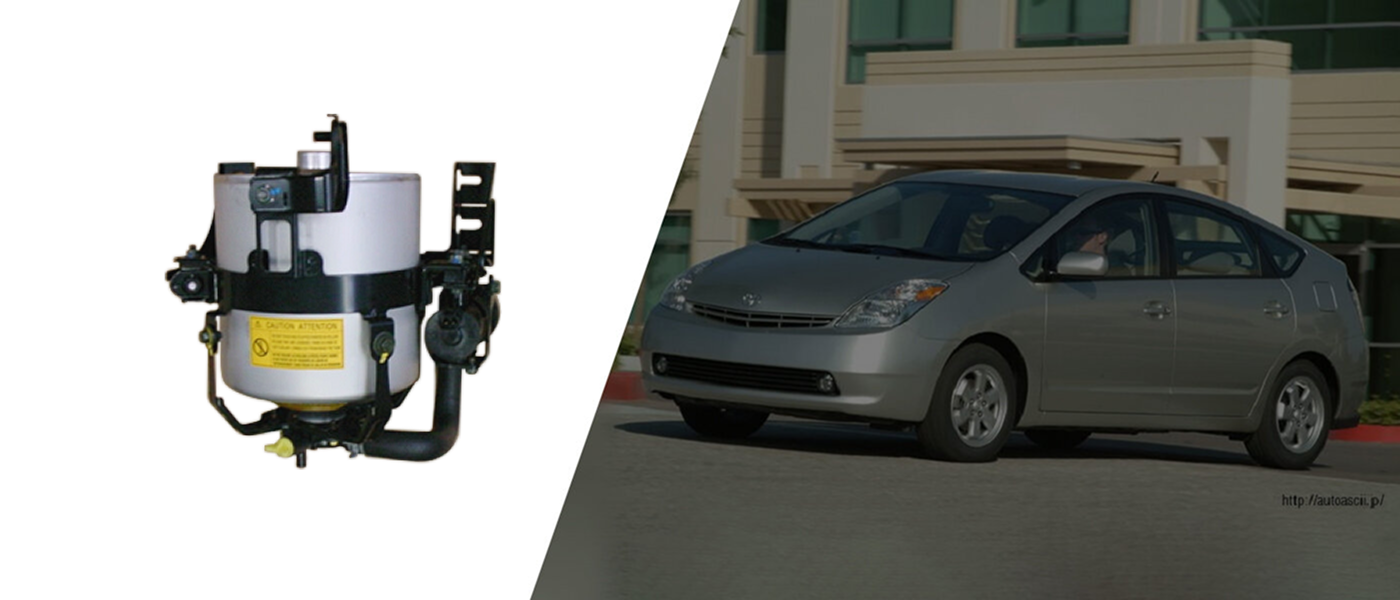
The implications extend beyond immediate motorsports applications, potentially influencing broader automotive industry trends. As electric vehicles become more prevalent, thermal management becomes increasingly critical for battery performance and longevity. Tiger's expertise in maintaining precise temperature control could prove invaluable in developing next-generation electric vehicle systems. The company's entry into automotive applications represents a strategic diversification that capitalizes on existing technological strengths while exploring new market opportunities in the rapidly evolving transportation sector.
Industry observers note that this collaboration exemplifies Japan's tradition of applying meticulous engineering principles across diverse industries. Tiger's approach demonstrates how specialized knowledge gained in one sector can drive innovation in another, creating unexpected synergies that benefit both industries. The motorsports community has shown considerable interest in these developments, recognizing the potential for breakthrough performance improvements through unconventional technological partnerships. This initiative could inspire other household appliance manufacturers to explore similar cross-industry applications of their specialized technologies.
The success of Tiger's motorsports venture could establish a new paradigm for innovation in both the automotive and appliance industries. As racing teams increasingly seek competitive edges through technological differentiation, partnerships with companies possessing specialized thermal expertise become more valuable. Tiger's bold move into motorsports represents not just a business diversification strategy, but a testament to the universal applicability of well-developed engineering expertise. The automotive world watches with keen interest as this unlikely alliance between kitchen appliances and racing technology unfolds, potentially redefining the boundaries of what constitutes automotive innovation.